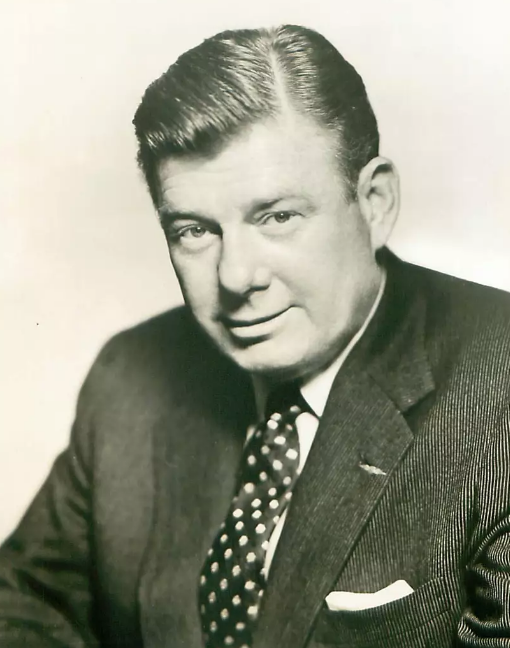
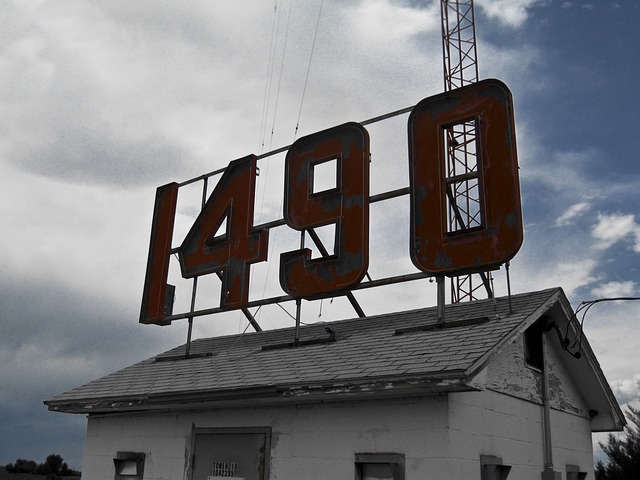
Circa 1961
Until now, I have posted nothing about my tour in the United States Navy. In this post, I would like to address just one aspect of my posting to the U.S. Naval Station at Argentia, Newfoundland, Canada. As a teenager, I developed an interest in amateur radio. In December of 1959, I got my amateur radio license. In January of 1962, I joined the navy and had the good fortune of attending a navy electronics school. I did well and the navy assigned me to an airborne early warning squadron in Newfoundland. It was not long until I found the squadron and the base amateur radio stations. I applied for a permit to operate in Canada and in the spring of 1963, I hit the airwaves. My only on-the-air experience had been in U.S. middle Atlantic states, and with equipment that qualified as both dated and conceptually archaic. The navy had equipped Argentia’s with the best of equipment. It was not long until I was a regular feature on the 20 Meter band, talking up and down the US East Coast. Our station proved popular with the U.S. operators, and we soon made wonderful friends. I served in Canada for thirty-two months, two full winters, real ones, the kind you read about, and three awesome summers. All good things, however, eventually end. In October of 1965, I loaded my new wife and my cat, Willy, into my 1965 VW beetle and headed for the States. For the next fifty-two years, ham radio lacked the unique spark that I had experienced in Newfoundland. I tried HF Morse, single sideband traffic nets, mobile operation, and seriously small signal VHF work. Throughout the 1990’s things began to change. IP networking became available to the home user and in 2012, Flex radio introduced the 6,000 series software defined radios, with the promise that remote operation would soon follow. I needed two things, a Flex 6,000 series radio, and a reliable internet connection at my home. I got the radio and I installed more than one-thousand feet of underground cable to bring adequate network performance to my home. An on-the-air meeting produced my first Canadian host. In the fall of 2017, I was once again on 20 Meters, as a us station operating portable in Canada! But there was a catch, the 1952 era bi-lateral agreement that allowed a U.S. amateur to operate in Canada assumed that the operator would physically be in Canada. Remote operation, I discovered required a Canadian Advanced operator Certificate. In October of 2017, we shut the remote station down and I began to study for the Canadian exam. Another catch, the Canadians required that you take the exam in the province in which you wished to operate. So, in February 2018, I flew to Newfoundland and took both the appropriate exams. I missed only one question, not bad for a guy of age seventy-five. Fast forward, after a rocky experience with my first host, today I operate a modest station on the shores of Newfoundland’s Trinity Bay. My operations are primarily “automated digital,” a best fit to my busy schedule. My days of primarily working stations on the U.S. East Coast are also gone. I find myself in an optimum location to relay between North American stations and those in Europe and the Middle East. By way of European gateway stations, I routinely route traffic through the Qatar Amateur Radio Society’s QO-100 geosynchronous satellite. Early on, I started a Trans-Atlantic chat to coordinate with other digital operators. Today the “Trans-Lant” chat hosts operators from the state of California to the city of Tsfat in Israel. Through happenstance, I have created a community. I also have a great Canadian host. He is a warm and helpful human being, and nothing short of a technical wizard. Onsite wizardry is a phenomenal asset.
So, there you have it. I’m Back – Part two. Amateur radio in Newfoundland Canada, reestablished after fifty-two years!